ENG4UV-01 Culminating Project
What is Phase One?
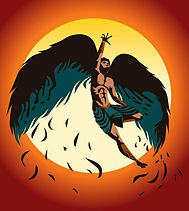
Phase one is a choice and/or transgression made that results in a punishment. Sometimes this choice angers a higher power which then hands out the punishment, but usually the punishment is just a direct result of the character(s) actions. An example of phase one is when Icarus, from the Greek story by the same name, ignores his father's warnings and chooses to fly too close to the sun.
Choice #1: Commercializing Everest
Choice #2: Leaving Massive Amounts of Trash on Everest
The main transgression made, which leads to the events of Into Thin Air, is to commercialize Everest and use it as a money-making venue. "By 1996 Hall was charging $65,000 a head to guide clients to the top of the world. By any measure this is a lot of money" (Into Thin Air page 37). Nowadays people are paying even more to be taken up the mountain. Turning Everest into a money-making venue and allowing people to be taken up the mountain, not through their own power, is extremely disrespectful to the majesty that is Mount Everest. If Everest didn't have guided expeditions, then only the people who are well trained and have tonnes of experience would be able to reach the 'death zone' (above 8,000 meters). These people would have been better equipped, and have a higher chance of surviving, the storm that killed so many in the novel.
Hover mouse over image to see text
Choice #2 is a direct result of commercializing Everest. Hundreds of people climb Everest every year, that is hundreds of peoples worth of trash being left on the mountain. When climbing Everest, there aren't many places to dump your trash. Climbers don't want to carry it with them since it means excess weight that they have to carry, so they just leave it on the ground. An attempted cleanup of the mountain yielded around 11 tons of trash, and that isn't even all of it (Popular Mechanics). This issue is also mentioned by the narrator of the book: "'I had heard many stories about how Everest had been turned into a garbage dump by the ever-increasing herds." (Into Thin Air page 64). Even if the commercialization of Everest didn't seem that disrespectful, this definitely is.
Choice #3: Hubris
“People of a certain age remember vividly to this day when...they heard the magical news that the summit of the world was, so to speak, theirs.” (Into Thin Air page 21). The hubris displayed by all of humanity throughout the novel is the third transgression that leads to punishment. The fact that humans thought that they could "claim" Mount Everest, "claim" nature, is hubris of the highest degree. It is disrespectful and leads to humanity being knocked off their high horse when the storm hits.
Why Do These Choices Matter?
There are two possible reasons why these choices lead to punishment. The first one is the fact that people got too cocky, they thought that they could control and tame nature, which lead to them being knocked down a peg. The second one is more interesting though. Throughout the book, people mention a "goddess" of Everest: "'violating the spirit of the hills' and practicing a shameful form of alpine extortion" (Into Thin Air page 80), "They believed that one of the climbers...had angered Everest--Sagaramatha, goddess of the sky--and the deity had taken her revenge." (Into Thin Air page 131). A site on the Indigenous Religious Traditions of Nepal, created by Colorado College, states "The mountains are sacred; they 'act as monitors and judges of human behavior. They are always there and remain unchanged'" (Colorado College). This means that this deity is likely to be vengeful and does not like to be disrespected. The transgressions made towards her, by humanity, would definitely be likely to incite her wrath and punish them.

Prayer Flags and Monument Dedicated to Sagaramatha