ENG4UV-01 Culminating Project
What is Phase Three?
Phase three is the suffering and/or redemption experienced due to the punishment in phase two. Although characters must experience suffering in order for this to be considered 'the fall', they do not have to be redeemed. Looking back at Icarus one more time, Icarus' suffering comes in the form of his death. He falls into the sea due to the fact that his melted wings can no longer support him.
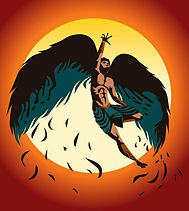
The Suffering
The overall suffering experienced in the plot is that the punishment reminds humans of their own mortality and 'knocks them off their high horse'. It reminds us that human life is fragile and can be wiped out in an instant. Humans like to think themselves superior; they like to pretend that they have control of the world and that they are better than Mother Nature. Occasionally, humanity gets too cocky, this is when nature comes in to remind them who is really in charge and puts them back in their place. The Mount Everest Disaster and the events of Into Thin Air are just one example of this. When humans try to create building that can withstand earthquakes, eventually a massive earthquake comes along and knocks them down anyway. We build boats that allow us to travel across the ocean, but at some point they still get swallowed by the sea. Humanity creates things in an attempt to control and fight against nature, but just when we think we've won, nature hits back to remind us that it is uncontrollable.
There is a form of redemption in these disasters though. Every time nature knocks us down, we get back up and improve ourselves, letting us last longer in the next battle. This can be seen through society's reaction to the disaster in Into Thin Air: "Perhaps the simplest way to reduce future carnage would be to ban bottled oxygen except for emergency medical use...the great bulk of marginally competent climbers would be forced to turn back by their own physical limitations before they ascend high enough to get into serious trouble. And a no-gas regulation would have the corollary benefit of automatically reducing trash and crowding because considerably fewer people would attempt Everest if they knew supplemental oxygen was not an option." (Into Thin Air page 286). The suffering as a result of humanities' punishment is no doubt terrible, but there is redemption available in what we learn from these events and how we use that new knowledge.
The important thing to take away from Into Thin Air, and other stories that follow this archetype, is the warning against hubris and trying to control nature. What we should also take away, however, is how to improve ourselves so that we do not fall like that again.
